PIANO TILES












SIMILAR GAMES





























Game Description


Piano Tiles - Unblocked Games 66
About Piano Tiles - Unblocked Games 66
In the ever-expanding universe of interactive digital experiences, a distinct category of mobile games has undeniably captivated the global audience: the captivating world of rhythm games. Within this vibrant and dynamic genre, **Piano Tiles** emerges as a phenomenon, presenting a gameplay experience that is both strikingly accessible and remarkably demanding. This is a game that masterfully intertwines the refined beauty of **classical melodies** with the exhilarating surge of **rapid reflexes**, forging an irresistible allure for players spanning every age demographic. We are about to embark on an in-depth exploration of the fundamental gameplay mechanics, the intrinsic addictive qualities, and the expansive musical tapestry that **Piano Tiles** unfurls, offering a comprehensive perspective on its enduring popularity and its well-deserved place as a cornerstone within the mobile gaming fraternity. At https://66games.gitlab.io/, we pride ourselves on offering a curated selection of games that deliver both exceptional entertainment value and engaging challenges, and **Piano Tiles** is a prime example of this commitment.
The Genesis and Evolution of Piano Tiles
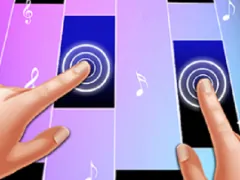
The concept behind **Piano Tiles** is elegantly straightforward, drawing inspiration from the very essence of playing a piano. Players are presented with a scrolling cascade of **black tiles** on their screen, simulating the keys of a piano. The objective is simple yet profoundly challenging: to tap each **black tile** as it descends before it disappears off the bottom of the screen. The accuracy and speed with which these tiles are tapped dictate the player's success and, crucially, the musicality of the experience. What began as a relatively niche concept has evolved significantly over time, with developers introducing a variety of modes, music selections, and visual enhancements that have broadened its appeal and deepened its strategic complexity. We recognize that the journey of a game from its inception to its status as a global sensation is often a testament to iterative design and a keen understanding of player engagement. **Piano Tiles** embodies this principle, continuously refining its core loop while introducing new elements to keep players consistently invested.
Unpacking the Core Gameplay Mechanics
At its heart, **Piano Tiles** is a test of precision, timing, and concentration. The game’s core mechanic revolves around the relentless appearance of **black tiles** that must be tapped in sequence. Missing a single tile, or tapping a **white tile** (which are typically presented as obstacles or incorrect choices), results in an immediate cessation of the song and, consequently, the end of the game for that round. This unforgiving nature, however, is precisely what contributes to its addictive quality. Each failed attempt is not merely a setback but a learning opportunity, encouraging players to refine their motor skills and improve their timing for the next playthrough. The game often introduces varying speeds and patterns, demanding adaptability and quick decision-making. Some tiles might be longer, requiring a sustained press, while others might appear in rapid succession, pushing players to their limits. We understand that the most compelling games are those that strike a delicate balance between accessibility and challenge, and **Piano Tiles** masterfully achieves this equilibrium, making it a game that is easy to learn but exceptionally difficult to master.
The Allure of Musical Mastery and Diverse Soundtracks
The sonic landscape of **Piano Tiles** is as crucial to its appeal as its tactile gameplay. The game predominantly features a rich library of **classical music**, ranging from universally recognized masterpieces by composers like Beethoven and Mozart to more contemporary instrumental pieces. Each note tapped corresponds to a sound produced, creating a remarkably satisfying auditory feedback loop. As players progress through different levels or unlock new song packs, they encounter a diverse array of musical styles and complexities. This musical journey is not merely background noise; it is an integral part of the experience, guiding the player’s rhythm and tempo. The challenge lies in matching the on-screen visual cues with the auditory rhythm of the music. We find that games that successfully integrate music into their core gameplay tend to foster a deeper connection with players, and **Piano Tiles** excels in this regard, transforming the act of playing the game into a personal musical performance. The selection of **melodies** is curated to provide both a familiar comfort and an exciting new auditory adventure for every player.
Exploring the Different Modes and Challenges
**Piano Tiles** is not a monolithic experience; it offers a variety of gameplay modes designed to cater to different player preferences and skill levels. While the classic mode, often referred to as **Arcade Mode**, is the foundational experience where players aim for the highest score possible by tapping as many correct tiles as they can, other variations add exciting new dimensions. **Classic Mode** typically involves playing through a song from start to finish, with the primary objective being to achieve the longest possible streak of correctly tapped tiles. **Zen Mode**, on the other hand, removes the pressure of a game-ending failure, allowing players to simply enjoy the music and focus on maintaining a continuous flow of taps within a set time limit, encouraging relaxation and musical immersion. Then there is **Time Attack Mode**, which injects an extra layer of urgency by challenging players to tap as many tiles as possible within a strict time constraint, pushing speed and accuracy to their absolute peak. Furthermore, many versions of the game introduce **special tiles** or **power-ups**, such as shields that protect against accidental misses or bonus tiles that multiply scores, adding strategic depth and replayability. We believe that the provision of diverse game modes is essential for sustained player engagement, ensuring that the **Piano Tiles** experience remains fresh and exciting even after numerous playthroughs. The continuous introduction of new **challenges** keeps the game dynamic.
The Addictive Nature of Piano Tiles: A Psychological Perspective
The question of why **Piano Tiles** is so inherently addictive is multifaceted. A significant contributing factor lies in the psychological principle of **variable ratio reinforcement**. This concept, often seen in gambling, suggests that unpredictable rewards lead to higher levels of engagement. In **Piano Tiles**, while the goal is consistent, the exact sequence and speed of the tiles can feel unpredictable, especially as the game progresses. Each successful tap provides a small, immediate reward (a musical note, a score increment), while the prospect of achieving a higher score or completing a difficult song offers a larger, albeit delayed, reward. The simple, yet demanding, nature of the gameplay also creates a strong sense of **flow state**. When players become fully immersed in the task, losing track of time and external distractions, they enter a state of optimal experience. The clear goals, immediate feedback, and the balance between challenge and skill required in **Piano Tiles** are ideal conditions for inducing this flow state, making it difficult for players to disengage. Moreover, the **satisfaction of mastery** plays a crucial role. As players improve their timing and precision, they experience a tangible sense of accomplishment, which further motivates them to continue playing and striving for even greater performance. We recognize that the power of **immediate feedback** and the **pursuit of perfection** are potent drivers of engagement in digital entertainment, and **Piano Tiles** leverages these elements with exceptional efficacy. The **thrill of improvement** is a constant companion.
Visual Aesthetics and User Interface Design
While the gameplay mechanics and musical selection are paramount, the visual presentation of **Piano Tiles** also plays a significant role in its success. The interface is typically clean, uncluttered, and intuitive, ensuring that players can focus their attention entirely on the descending tiles. The visual design often employs a sleek and minimalist aesthetic, allowing the vibrant **black tiles** and their accompanying backgrounds to stand out clearly. Different versions of the game may offer customizable themes or visual effects, allowing players to personalize their gaming environment. The contrast between the **black tiles** and the background is usually optimized for clarity, minimizing visual strain even during rapid gameplay. The animations are smooth and responsive, providing immediate visual confirmation of player input. This attention to visual detail ensures that the game is not only fun to play but also aesthetically pleasing and easy to navigate. We believe that a well-designed user interface is fundamental to creating an enjoyable and accessible gaming experience, and **Piano Tiles** consistently delivers on this front, providing a visually appealing and functionally superior platform for players to engage with. The **intuitive design** ensures immediate understanding.
Accessibility and Platform Availability
One of the key strengths of **Piano Tiles** is its remarkable accessibility. Developed primarily for mobile platforms, it can be enjoyed on a wide range of smartphones and tablets, making it a readily available source of entertainment for a vast audience. The simple tap-based controls require no complex button inputs, making it suitable for players of all ages and technical proficiencies. This low barrier to entry has been instrumental in its widespread adoption. Furthermore, the game is often available through various app stores and, importantly, through platforms that offer **unblocked game** access, such as https://66games.gitlab.io/. This ensures that even in environments where access to certain games might be restricted, players can still enjoy the engaging experience of **Piano Tiles**. We are committed to making high-quality gaming experiences accessible to everyone, and the availability of games like **Piano Tiles** through our platform underscores this dedication. The **universal appeal** of its simple controls transcends technological barriers.
Strategies for Achieving Higher Scores and Mastering the Game
While luck can play a small role, consistent high scores in **Piano Tiles** are primarily a result of dedicated practice and the implementation of effective strategies. Firstly, developing a consistent **tapping technique** is crucial. Many players find that using multiple fingers, or even specific finger combinations, can increase their speed and accuracy, especially when dealing with rapid sequences of tiles. Experimenting with different grips and tapping styles is often beneficial. Secondly, **rhythm and pattern recognition** are paramount. As players become more familiar with the game, they will start to recognize recurring patterns in tile placement and speed. Learning to anticipate these patterns can significantly improve performance. Thirdly, **focus and concentration** are non-negotiable. The game demands undivided attention; any lapse in concentration can lead to a missed tile. Practicing in a quiet environment and minimizing distractions can help cultivate the necessary focus. Fourthly, **gradual progression** is key. Instead of attempting the most difficult songs immediately, players are advised to start with easier melodies and gradually increase the difficulty as their skills improve. This allows for steady skill development without overwhelming frustration. Finally, **understanding the different tile types** is important. Some tiles might require a simple tap, while others might need to be held down for a duration, or swiped. Mastering these nuances is essential for optimal performance. We encourage our players to approach **Piano Tiles** with patience and persistence, understanding that mastery comes with consistent effort and strategic practice. The **pursuit of excellence** is a rewarding journey.
The Social Dimension and Competitive Spirit
Beyond the individual challenge, **Piano Tiles** often incorporates a social dimension that enhances its replayability. Many versions of the game include **leaderboards**, allowing players to compare their scores with friends and a global community of players. This introduces a competitive element, motivating players to push their limits and strive for a top ranking. The ability to see how one's performance stacks up against others can be a powerful motivator, fostering a sense of friendly rivalry and encouraging continuous improvement. Sharing high scores or impressive gameplay moments with friends adds another layer of engagement. At https://66games.gitlab.io/, we recognize the importance of these social features in creating a vibrant and dynamic gaming community. The **spirit of competition** fuels dedication and enjoyment. The pursuit of bragging rights and the satisfaction of outperforming peers are significant drivers for many players.
The Enduring Appeal of Piano Tiles on Unblocked Platforms
The presence of **Piano Tiles** on platforms like https://66games.gitlab.io/ underscores its status as a universally beloved game. By offering **unblocked access**, these platforms ensure that the simple yet profound joy of playing **Piano Tiles** is available to a wider audience, including students and professionals who may have restrictions on their internet access. This accessibility ensures that moments of musicality and challenge are never out of reach. The game’s ability to provide a quick, engaging distraction or a deeply immersive musical experience makes it an ideal choice for these environments. We are proud to host **Piano Tiles** and similar games, providing a sanctuary for **online gaming** enthusiasts to enjoy their favorite titles without interruption. The **timeless gameplay** ensures its continued relevance.
Conclusion: A Symphony of Skill and Sound
**Piano Tiles** stands as a testament to the power of simple yet elegant game design. It is a game that seamlessly blends the intellectual challenge of strategic thinking and quick reflexes with the emotional resonance of music. Its addictive nature stems from a perfect storm of psychological reinforcement, the pursuit of mastery, and the sheer satisfaction of creating beautiful music through skillful play. Whether you are a seasoned gamer looking for a new challenge or a casual player seeking a moment of engaging entertainment, **Piano Tiles** offers an experience that is both profound and immensely enjoyable. We believe that its continued popularity is a clear indicator of its success in providing a compelling and rewarding gameplay loop that resonates with players across the globe. The journey through its **diverse melodies** and increasing challenges is an experience we highly recommend to all. It is a true masterpiece of **rhythm-based gameplay**.
Piano Tiles - Unblocked Games 66
About Piano Tiles - Unblocked Games 66
In the vast landscape of digital entertainment, a particular genre of mobile games has captured the attention of millions worldwide: rhythm games. Among these, Piano Tiles stands out as a remarkably engaging and deceptively simple experience that offers a profound challenge. It is a game that blends the elegance of classical music with the adrenaline rush of quick reflexes, creating an addiction for players of all ages. We delve into the core mechanics, the addictive appeal, and the diverse musical journey that Piano Tiles offers, providing an in-depth look at why it has become a staple in the mobile gaming community.
The Genesis of a Viral Sensation
The concept behind Piano Tiles is elegant in its simplicity. Players are presented with a screen where black tiles descend, mimicking piano keys. The objective is to tap on these black tiles precisely as they reach the bottom of the screen, all while meticulously avoiding the white tiles. Each successful tap plays a musical note, contributing to a seamless melody. The game's success lies in its ability to translate complex musical pieces into an accessible, interactive format. This gameplay loop is inherently rewarding, offering instant feedback and a constant incentive to improve. The initial ease of play allows newcomers to quickly grasp the mechanics, while the escalating difficulty ensures that even seasoned players remain on the edge of their seats.
Mastering the Melody: Core Gameplay Mechanics
At its heart, Piano Tiles is a test of timing and reflexes. The game mechanics are straightforward: tap the black tiles as they appear, and do not tap the white tiles. However, the execution demands a level of precision that can be incredibly challenging. The game synchronizes the appearance of the tiles with the rhythm of the chosen musical piece. This synchronization is key to the immersive experience. Players are not just tapping random objects; they are actively participating in the creation of music. The accuracy of each tap is paramount. A slight mistiming, a moment of hesitation, or an accidental brush against a white tile results in an immediate game over. This unforgiving nature, coupled with the rapid pace, creates a thrilling and often intense gameplay experience. The game is a constant dance between precision and speed, a test of how well one can synchronize their actions with the auditory cues.
A Symphony of Challenges: Escalating Difficulty
One of the most compelling aspects of Piano Tiles is its expertly crafted difficulty curve. The game begins at a manageable pace, allowing players to acclimatize to the rhythm and the visual cues. However, as players successfully navigate through a song, the speed at which the tiles descend steadily increases. This escalation is not merely a quantitative increase in speed; it often involves more complex patterns, faster note sequences, and sometimes even faster tempo changes within the music. This continuous challenge keeps the gameplay fresh and engaging. It transforms what might initially seem like a simple tapping game into a demanding test of skill and endurance. The thrill comes from pushing one's limits, striving to achieve a higher score or to complete a particularly challenging song at its maximum speed. This escalating difficulty is a primary driver of replayability and addiction, as players are constantly motivated to overcome the next hurdle.
The Soundtrack of Success: A Diverse Musical Library
The musical selection in Piano Tiles is a significant contributor to its broad appeal. The game features an impressive array of musical compositions, spanning various genres and eras. From the timeless elegance of classical music by composers like Beethoven and Mozart to the infectious energy of contemporary pop hits, there is a musical theme to suit every taste. This diverse library not only enhances the gameplay experience but also introduces players to new musical styles. Tapping along to a Beethoven sonata offers a different feel than grooving to a chart-topping pop song, yet both are rendered engaging through the game's mechanics. The quality of the musical arrangements is also noteworthy. The game uses high-quality renditions of these pieces, ensuring that the auditory experience is as polished as the visual one. This rich musical content provides endless hours of entertainment and allows players to explore their musical preferences while honing their gaming skills.
Beyond the Classics: Exploring Game Modes and Variations
Piano Tiles is not a monolithic experience. Over time, various iterations and modes have been introduced, adding further depth and replayability. While the core classic mode remains a fan favorite, other variations offer distinct challenges. These might include modes that test endurance by requiring players to play for an extended period without error, or modes that introduce unique tile patterns or visual effects. Some versions may also incorporate power-ups or special tiles that alter the gameplay, adding an extra layer of strategy. The introduction of different game modes ensures that players can always find a new way to challenge themselves and experience the Piano Tiles gameplay in a fresh light. This evolution of the game's structure has been crucial in maintaining its popularity and catering to a wide range of player preferences.
The Allure of Achievement: Scoring and Progression
The scoring system in Piano Tiles is designed to be both intuitive and motivating. Players earn points for each correctly tapped tile, with bonuses often awarded for consecutive perfect taps (combos) and for achieving high accuracy. The goal is to achieve the highest possible score within a given song, pushing players to strive for perfection. Beyond individual song scores, Piano Tiles often incorporates a progression system. This can manifest as unlocking new songs, earning in-game currency, or achieving higher tiers or ranks. This sense of accomplishment and progression is a powerful motivator. It provides tangible goals for players to work towards, encouraging them to continue playing and improving. The drive to unlock the next song, to beat a personal best score, or to achieve a perfect run on a difficult piece is a significant factor in the game's addictive nature.
The Digital Piano: Accessibility and Immersive Experience
One of the most significant advantages of Piano Tiles is its accessibility. The game is typically available on a wide range of mobile devices, making it accessible to a vast audience. The intuitive touch-screen controls require no complex button combinations or hardware. This simplicity in control makes it easy for anyone with a smartphone or tablet to pick up and play. Despite its simple controls, the game offers a surprisingly immersive experience. The combination of synchronized music, responsive visuals, and the thrill of perfectly timed taps creates a hypnotic state for many players. The focus required to play successfully can make the outside world fade away, allowing players to become fully absorbed in the rhythm and the challenge. This immersive quality is a hallmark of successful mobile games, and Piano Tiles excels in this regard.
Social Competition and Community Engagement
While Piano Tiles can be enjoyed as a solitary pursuit, it also fosters a sense of community and social competition. Many versions of the game include leaderboards, allowing players to compare their scores with friends and with a global player base. This competitive element adds another layer of motivation, as players strive to climb the ranks and prove their mastery. The desire to outperform others, to be recognized for one's skills, is a powerful driver. Furthermore, the shared experience of playing a popular game like Piano Tiles can lead to discussions, tips, and strategies being shared among players, further strengthening the community. This social interaction and friendly rivalry contribute significantly to the game's enduring appeal.
The Psychological Appeal: Focus, Flow, and Stress Relief
The psychological appeal of Piano Tiles is multifaceted. The game demands intense focus, drawing players into a state of flow where time seems to melt away. This intense concentration can be a form of active meditation, offering a respite from everyday worries and stresses. Successfully navigating a challenging song can also provide a significant sense of satisfaction and stress relief. The clear cause-and-effect nature of the gameplay – precise taps lead to musical success, mistakes lead to immediate failure – offers a sense of control and order that can be very appealing. The dopamine rush associated with achieving a perfect sequence or a high score further contributes to the game's enjoyable and potentially therapeutic qualities. It's a game that engages the mind and the senses in a uniquely rewarding way.
Tips for Mastering Piano Tiles and Achieving Higher Scores
For those seeking to elevate their Piano Tiles gameplay, several strategies can be employed. Firstly, consistent practice is paramount. The more you play, the better your reflexes and your sense of rhythm will become. Pay close attention to the music; allow the melody to guide your taps. Don't just rely on visual cues. Many players find it beneficial to play with headphones to ensure they can clearly distinguish the musical cues and the subtle sounds of the game. Developing a consistent tapping technique can also be helpful. Some players prefer using multiple fingers, while others find success with a single finger, moving it rapidly between tiles. Experiment to find what works best for your hand and your rhythm. Lastly, stay calm under pressure. The game's difficulty can be intimidating, but panicking will only lead to mistakes. Take a deep breath, focus on the immediate tile, and trust your instincts. Analyzing your performance after a game, understanding where you made mistakes, can also be a valuable learning experience for future attempts.
The Future of Rhythm Gaming and Piano Tiles' Legacy
As mobile gaming continues to evolve, rhythm games like Piano Tiles are likely to remain a popular and enduring genre. The fundamental appeal of synchronizing actions with music is universal and timeless. Piano Tiles has set a high standard for accessible yet challenging rhythm gameplay. Its legacy lies not only in its massive player base but also in its ability to demonstrate how simple mechanics, combined with engaging music and escalating difficulty, can create a truly captivating experience. We anticipate that the core principles that have made Piano Tiles so successful will continue to influence the development of future rhythm games, ensuring that the joy of playing along to music remains a cherished part of the digital entertainment landscape. The journey from a simple tapping game to a global phenomenon is a testament to the power of intuitive design and well-executed fun.
Exploring Different Versions and Their Unique Features
Over the years, the Piano Tiles franchise has seen the release of various installments and spin-offs, each bringing unique twists to the established formula. While the core gameplay of tapping black tiles and avoiding white ones remains constant, these different versions often introduce new visual themes, expanded music libraries, and innovative game modes. For instance, Piano Tiles 2, a prominent successor, often features a more robust progression system, daily challenges, and events that keep the gameplay fresh and engaging. Players might find new ways to earn rewards, unlock special pianos with unique sound effects, or participate in limited-time tournaments. These variations cater to both new players looking for an entry point and long-time fans seeking new challenges and content. Each iteration builds upon the foundation of the original, aiming to refine the experience and introduce novel elements that enhance the rhythm gaming adventure. Exploring these different versions allows players to discover new favorite songs, test their skills in novel ways, and continue their journey through the ever-expanding world of Piano Tiles.
The Art of Precision: Cultivating Dexterity and Hand-Eye Coordination
The act of playing Piano Tiles is more than just a pastime; it is an exercise that actively sharpens crucial cognitive and motor skills. The game is a direct training ground for hand-eye coordination. Your eyes must track the descending tiles, process the visual information, and relay it to your brain, which then commands your fingers to execute the taps with split-second precision. This constant feedback loop between visual input and motor output significantly enhances your ability to coordinate what you see with what you do. Furthermore, the game demands and cultivates remarkable dexterity. Rapidly moving fingers across the screen to hit consecutive tiles requires a level of finger agility and control that can be developed through consistent play. This can translate to improvements in other activities that require fine motor skills. The mental focus required also bolsters concentration, teaching players to filter out distractions and maintain a laser-like focus on the task at hand. This intense cognitive engagement is a significant part of why the game is so compelling and rewarding, offering benefits that extend beyond mere entertainment.
Understanding the Science Behind the Addiction: Dopamine and Reward Loops
The addictive nature of Piano Tiles is not accidental; it is rooted in well-understood principles of behavioral psychology and neuroscience. The game expertly employs reward loops that trigger the release of dopamine, a neurotransmitter associated with pleasure and motivation. Each correctly tapped tile, especially when part of a long combo, delivers a small, immediate reward. This creates a cycle: you perform an action, you receive a reward, and this positive reinforcement encourages you to repeat the action. The unpredictability of when the next challenging sequence will appear, or how well you will perform on a difficult song, adds an element of variable reward, which is known to be highly addictive. The game's progression system, with its unlocked songs and high scores, further reinforces this by providing larger, longer-term rewards. This sophisticated interplay of immediate gratification and the pursuit of future achievements is what makes Piano Tiles so compelling and difficult to put down. It taps into our innate desire for achievement and our pleasure response to successful outcomes.
Enhancing Your Gaming Setup: Audio and Visual Considerations
To truly maximize the Piano Tiles experience, paying attention to your gaming setup can make a significant difference. Audio quality is paramount, as the music is intrinsically linked to the gameplay. Using good quality headphones or external speakers will allow you to clearly distinguish the subtle nuances of the musical tracks and the satisfying clicks of successful taps, enhancing both immersion and accuracy. The sound design is carefully crafted to provide auditory cues that align with the visual elements, and clear audio ensures these cues are received effectively. Visually, while the game's core aesthetic is simple, ensuring your device screen is clean and free of smudges can prevent accidental mis-taps. Playing in an environment with adequate, but not overly bright, lighting can also help reduce glare and eye strain, allowing for longer and more comfortable gameplay sessions. These seemingly minor details can collectively contribute to a more fluid, enjoyable, and ultimately more successful gameplay experience.
Piano Tiles as an Educational Tool: Learning Music Through Play
Beyond its entertainment value, Piano Tiles can serve as an unconventional yet effective educational tool, particularly for introducing individuals to the fundamentals of music. While not a substitute for formal music education, the game familiarizes players with concepts such as rhythm, tempo, and melody in an interactive and engaging manner. By tapping along to various musical pieces, players develop an intuitive understanding of musical structure and timing. The act of associating specific visual cues with musical notes helps in building basic auditory recognition skills. For younger players, it can be a fun gateway to exploring different genres of music and potentially sparking an interest in learning a real instrument. The game's accessibility means that even those with no prior musical experience can engage with complex compositions and develop a greater appreciation for the art form. It democratizes musical engagement, making the joy of interacting with music available to everyone.
The Global Phenomenon: Reaching Audiences Worldwide
Piano Tiles has transcended cultural and linguistic barriers to become a truly global phenomenon. Its intuitive design and universal appeal have allowed it to resonate with players across diverse demographics and geographical locations. The ability to connect with players worldwide through leaderboards and shared experiences fosters a sense of global community. This widespread adoption highlights the power of simple, well-executed game mechanics and engaging content to capture the imagination of millions. The game's success is a testament to its adaptability and its ability to provide a consistently enjoyable experience regardless of a player's background. This global reach has cemented its status as one of the most successful mobile games of its generation.
Piano Tiles is a fast-paced rhythm game that challenges players to tap on the black tiles while avoiding the white ones, all set to a variety of musical compositions ranging from classical masterpieces to contemporary hits. Each tap must be timed with the rhythm of the music, and accuracy is crucial as a single mistake means the game is over. As players progress, the speed of the tiles increases, testing reflexes and promoting a thrilling gameplay experience.
Enhance Your Experience with Various Modes
The game features several modes that cater to different skills levels and musical tastes. Whether it’s racing against the clock in Time Trial, playing through preset songs in Classic mode, or exploring lengthy compositions in Endless mode, Piano Tiles offers a dynamic platform for improving hand-eye coordination and musical perception. New songs are regularly added, keeping the game fresh and engaging for returning players. This simple yet addictive game has captured the attention of millions, offering a compact musical challenge at your fingertips.